




When the Wind Dies: Making the Most of Light-Wind Days
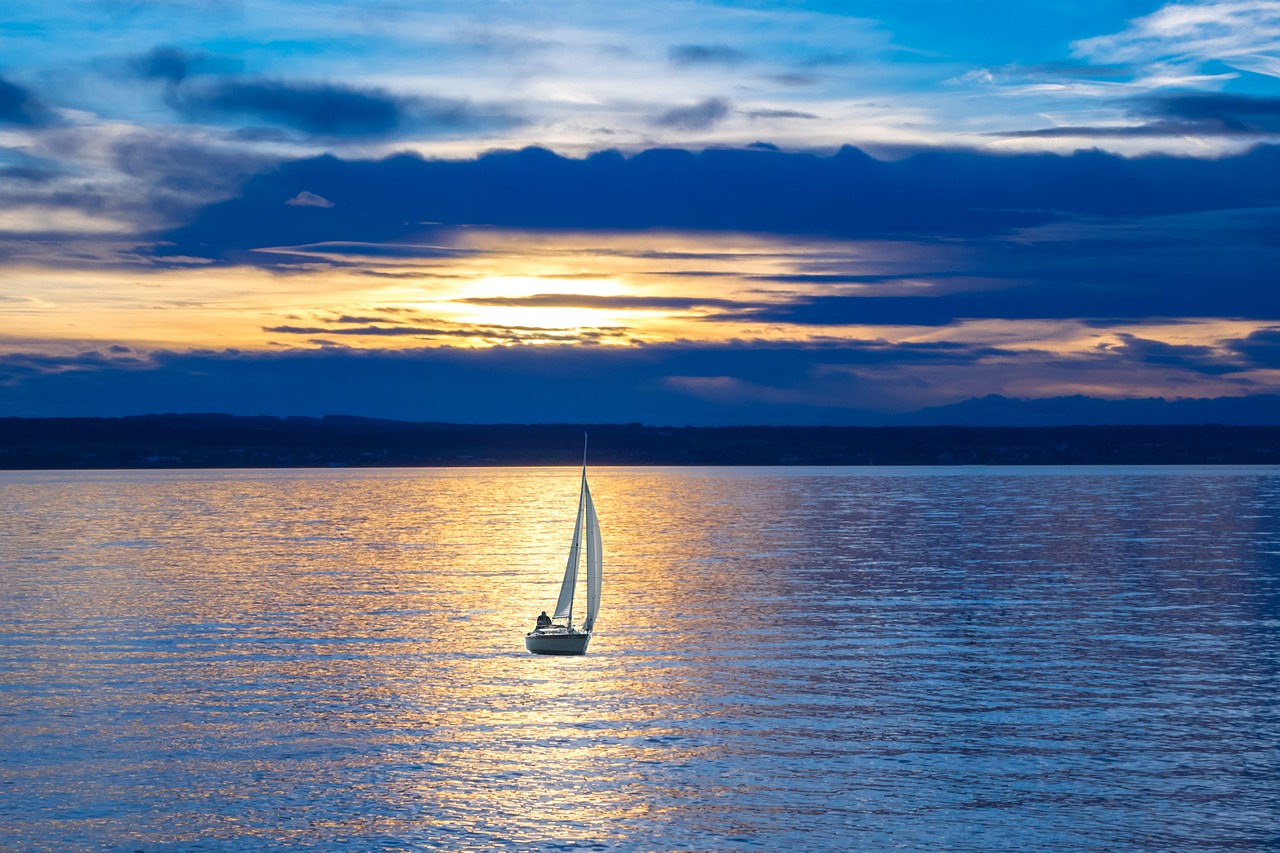
We've all been there. You clear your schedule, load the car, drive to the launch, and find... nothing. The flag hangs limp, the water is glassy, and the forecast that promised 18 knots has quietly betrayed you. For riders who only know how to have fun when it's nuking, these days feel like a waste. But they don't have to be.
Light wind is actually a fantastic teacher. When there's no power to mask your mistakes, every flaw in your technique becomes obvious. Your stance, your balance, your sail or kite handling—all of it gets exposed. That's uncomfortable, but it's also the fastest way to improve. Riders who spend time in marginal conditions often develop smoother, more efficient movements than those who only ever ride powered up.
For windsurfers, light wind is the perfect time to work on your pumping technique. A good pump can be the difference between planing and slogging, and it's a skill that pays off in every condition. It's also a great opportunity to practice your tacks, gybes, and light-wind freestyle. These moves are low-consequence when you're barely moving, so you can experiment without fear.
Gear Choices That Turn Light Wind Into Fun
The single biggest factor in enjoying a light-wind day is having the right equipment. If your only board is a 90-liter wave board and your smallest sail is a 5.5, you're going to hate every minute of a 10-knot afternoon. But if you have a big freeride board or a foil setup, that same day becomes an opportunity.
Foiling has completely changed the light-wind equation for both windsurfers and kiteboarders. A foil can get you flying in wind that would leave traditional gear completely parked. If you've been on the fence about adding a foil to your quiver, a few frustrating light-wind sessions might be the push you need. The learning curve is real, but the payoff is enormous—suddenly, days you used to write off become sessions you look forward to.
For kiters, a big light-wind kite and a foil board or a large twin tip can keep you moving when everyone else is packing up. The key is to resist the temptation to rig too small. It's better to be slightly overpowered on a big kite than to spend the whole session working the kite and going nowhere.
Reframing What a Good Session Looks Like
Part of the problem is that we've been conditioned to think a session only counts if we're fully powered and sending it. But some of the most valuable time on the water happens when conditions are marginal. You learn to feel the wind more subtly. You develop patience. You get better at reading the water for clues about where pressure is building.
Light-wind days are also a great time to socialize. The vibe at the launch is usually more relaxed when nobody's worried about getting blown off the water. You can chat with other riders, compare notes on gear, and maybe pick up a tip or two. Some of the best friendships in this sport start on days when there's nothing to do but stand around and wait for the wind.
So the next time the forecast lets you down, don't automatically write off the day. Grab your big gear, or your foil, or just your paddleboard, and get out there anyway. You might be surprised how much fun you have—and how much better you get—when the wind doesn't cooperate.
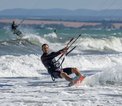



Light wind doesn't have to mean a wasted day—here's how to keep progressing when the breeze won't cooperate.
Thunderstorms, fronts, and squalls create both hazards and opportunities—here's how to read the sky and stay safe.
The surface of the water is a constantly updating forecast—here's how to interpret what you're seeing.
Riding with others accelerates your learning, keeps you safe, and makes every session more fun.
Learn how cloud formations and their movement can tell you more about the next few hours of wind than any app on your phone.