

The Social Side of Wind Sports: Why Community Makes You Better
Wind sports can feel like a solo pursuit. You rig alone, you launch alone, and once you're on the water, it's just you and the elements. But the riders who progress fastest and enjoy the sport the most are almost always the ones who are plugged into a community. Having people to ride with, learn from, and share sessions with changes everything.
The most obvious benefit is safety. Having someone on the beach who knows you're out there, who can call for help if something goes wrong, and who can help you launch and land is invaluable. This is especially true for kiteboarders, where a bad launch or landing can be genuinely dangerous. But it applies to windsurfers and sailors too. A second set of eyes on the water is always a good thing.
Beyond safety, community is a learning accelerant. When you ride with people who are better than you, you pick up things without even trying. You see how they rig, how they handle their gear, how they read the conditions. You ask questions. You get feedback. You try things you wouldn't have tried alone. The progress that might take months of solo sessions can happen in weeks when you're surrounded by people who know more than you do.
Finding Your Crew
Every spot has a community, but it's not always obvious how to plug in. Start by showing up consistently. The regulars at a launch notice new faces, and if you keep coming back, you'll start to be recognized. Be friendly, ask questions, and offer to help. Wind sports people are generally welcoming, but they also want to see that you're serious and that you'll stick around.
Local Facebook groups, WhatsApp chats, and forum threads are often the best way to find out when people are riding. Many communities have informal meetups, downwind runs, or race series that are open to all levels. Joining these events is a great way to meet people and to push yourself in a supportive environment.
Don't be afraid to ask for help. Most experienced riders remember what it was like to be a beginner, and they're happy to give advice. The worst that can happen is someone says no. The best that can happen is you make a friend who changes your entire trajectory in the sport.
Giving Back to the Community
Once you've been riding for a while, you have a responsibility to give back. Help the new person rig their gear. Offer to launch a kite for someone who's struggling. Share your knowledge about local conditions and hazards. Be the person you wish had been there when you were starting out.
Community also means taking care of the places we ride. Participate in beach cleanups. Respect local rules and access agreements. Don't be the rider who leaves trash on the beach or ignores no-go zones. The access we have to the water is fragile, and it depends on all of us being good stewards.
Ultimately, wind sports are more fun when they're shared. The stoke is real, and it multiplies when you're surrounded by people who feel the same way. Whether you're chasing a personal best, learning a new trick, or just cruising on a light-wind afternoon, having a crew to share it with makes the whole experience richer. So get out there, introduce yourself, and become part of the community. It will make you a better rider and a happier one.




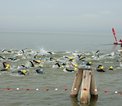
Riding with others accelerates your learning, keeps you safe, and makes every session more fun.
Learn how cloud formations and their movement can tell you more about the next few hours of wind than any app on your phone.
The daily seabreeze is the most dependable wind engine in coastal sailing, and understanding how it works helps you plan around it.
Unstable wind is part of the game, and these handling strategies help you stay in control when the breeze refuses to settle.
With the right layers and a few smart habits, the shoulder seasons can offer some of the best and least crowded sessions of the year.