



Learning to Read Water: Chop, Swell, and What They Tell You
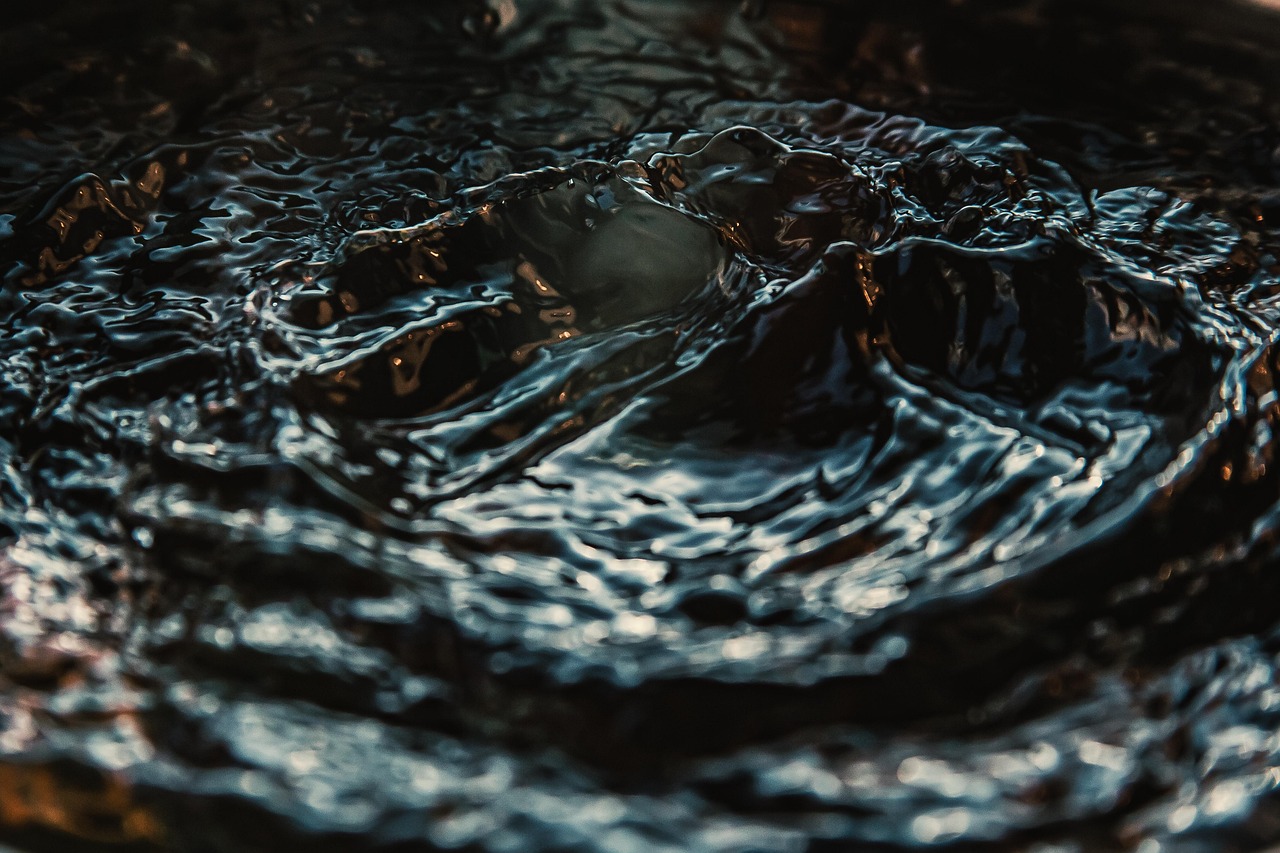
Before you ever feel the wind on your skin, you can see it on the water. The surface is a living map of what's happening around you, and riders who learn to read it gain a huge advantage. They know where the pressure is, where it's building, and where it's about to die. They can spot a gust line from a hundred meters away and position themselves to catch it.
The most basic thing to look for is texture. Flat, glassy water means light wind. Rippled water means a few knots. Small whitecaps start appearing around 10 to 12 knots, and as the wind builds, those caps get bigger and more frequent. By the time you see consistent whitecaps across the whole bay, you're usually looking at solid planing or kiting conditions.
But texture alone doesn't tell the whole story. The direction of the ripples matters too. If the ripples are moving in a different direction than the wind you're feeling on shore, there's a shift happening. That could be a thermal cycle kicking in, a front approaching, or just a local eddy. Either way, it's information you can use.
Gusts, Lulls, and the Dark Patches
The dark patches on the water are the ones every rider learns to watch. A dark patch usually means more wind—the surface is rougher, so it reflects less light. When you see a dark line moving across the water toward you, that's a gust. The question is whether it's a small puff or the leading edge of a sustained increase.
Size and speed tell you a lot. A small, fast-moving dark patch is usually a short-lived gust. A large, slow-moving one is more likely to be a sustained wind increase. If you see multiple dark patches forming and merging, you're probably looking at a building trend. If they're scattered and disorganized, the wind is likely gusty and unstable.
Lulls are the opposite—bright, smooth patches where the wind has dropped. Learning to anticipate lulls is just as important as catching gusts, especially if you're on a kite or a small board. If you see a big lull coming, you can position yourself to keep your apparent wind up, or you can prepare to depower and wait it out.
Swell, Chop, and What They Mean for Your Ride
Wind-driven chop is short, steep, and close together. It's the kind of water that makes small boards feel twitchy and big boards feel sluggish. Ocean swell is longer, smoother, and more powerful. It's what you want for wave riding, and it's also what makes downwind runs so much fun.
When wind and swell are aligned, conditions are usually clean and fast. When they're crossed, you get confused water—choppy, unpredictable, and physically demanding. Reading the relationship between wind and swell helps you choose the right gear and the right attitude for the day. If it's going to be messy, maybe today is a good day to work on your balance and boat handling rather than chasing speed.
Over time, reading water becomes second nature. You'll find yourself glancing at the surface without thinking, automatically adjusting your plans based on what you see. That's when you know you've leveled up—not because you're faster or more technical, but because you're more connected to the environment you're playing in.
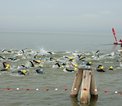
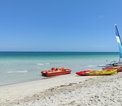


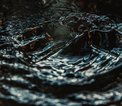
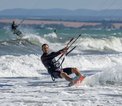
The surface of the water is a constantly updating forecast—here's how to interpret what you're seeing.
Riding with others accelerates your learning, keeps you safe, and makes every session more fun.
Learn how cloud formations and their movement can tell you more about the next few hours of wind than any app on your phone.
The daily seabreeze is the most dependable wind engine in coastal sailing, and understanding how it works helps you plan around it.
Unstable wind is part of the game, and these handling strategies help you stay in control when the breeze refuses to settle.