




Gusts, Lulls, and Shifts: Riding Unstable Wind Without Getting Worked
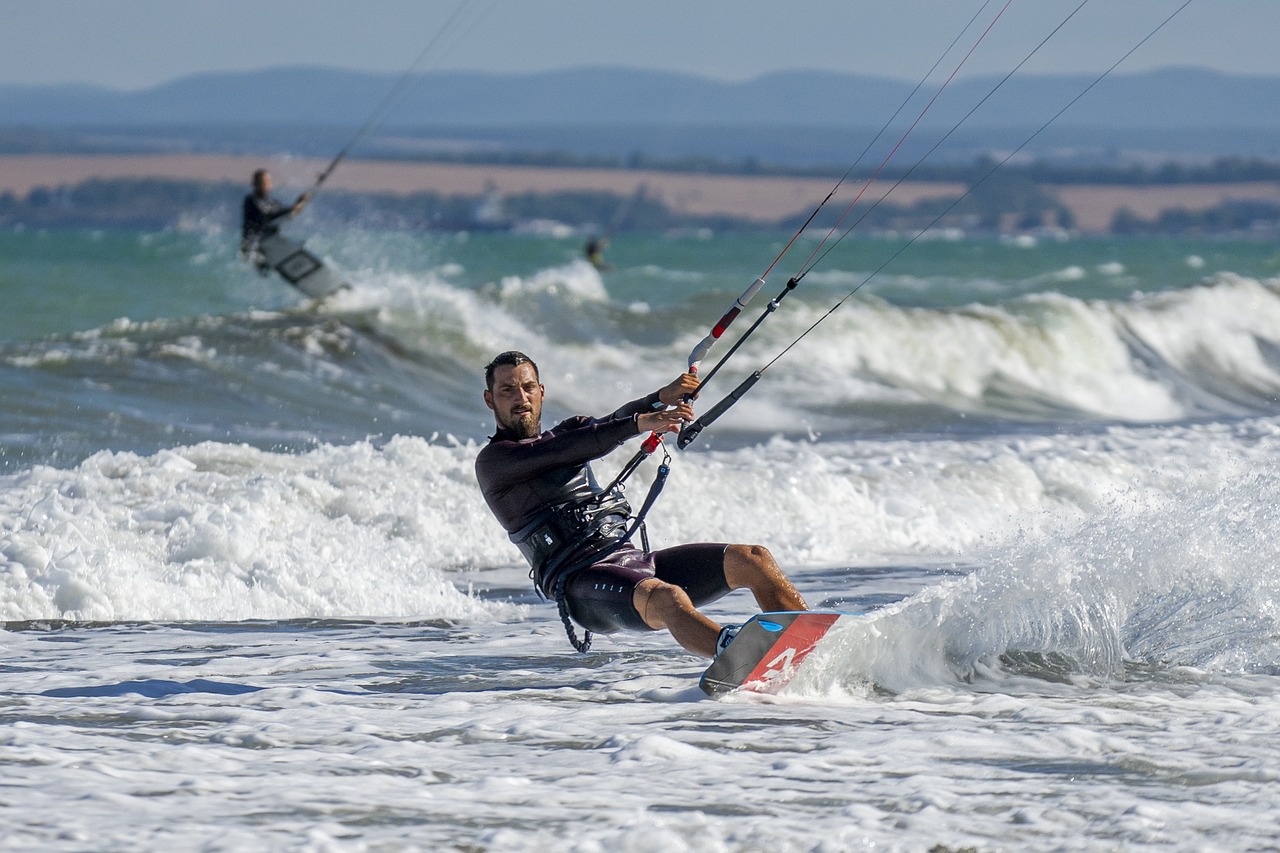
Steady wind is a luxury, not a guarantee. Most real sessions involve some combination of gusts, lulls, and direction shifts, and the athletes who progress fastest are the ones who learn to work with that variability rather than fight it. Whether you are on a windsurfer, a sailboat, or a kite, unstable wind demands a different set of habits than a clean, steady breeze. The good news is that these habits are learnable, and once they become automatic you will find yourself staying out longer and enjoying rougher days instead of dreading them.
The first principle is anticipation. Before you launch, spend time watching the water for dark patches that signal stronger wind, and lighter, smoother areas that signal lulls. On gusty days, these patches move across the surface like shadows, and you can often see the next gust coming several seconds before it hits. Position yourself so you are ready for it. On a kite, that might mean keeping the kite a little lower and your board edged to hold ground. On a windsurfer, it means being ready to sheet out and bear away slightly. On a dinghy or keelboat, it means having crew weight ready to move and the mainsheet in hand.
Managing the Gust and the Lull
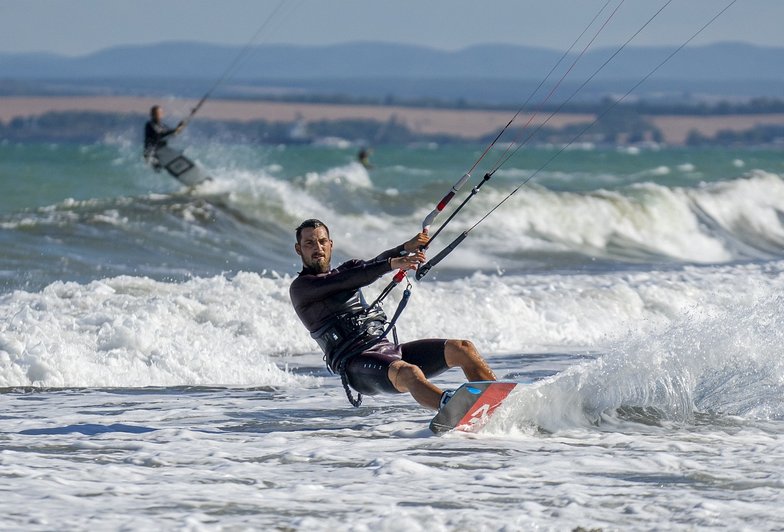
When a gust hits, the instinct for many riders is to freeze or to overcorrect. Both cause problems. The better approach is to absorb the gust with your body and your equipment. Bend your knees, keep your weight low, and let the board or boat accelerate rather than trying to instantly depower. On a kite, a small upwind edge and a controlled bar input will let the gust pass through without yanking you off your line. On a windsurfer, easing the sail and pointing slightly downwind keeps you planing instead of getting lifted. The goal is to convert the extra energy into speed rather than letting it throw you off balance.
Lulls are the opposite challenge and often more frustrating. When the wind drops, you need to keep your apparent wind and momentum alive. On a kite, that means keeping the kite moving and your board flat to maintain glide. On a windsurfer, it means staying on your feet, keeping the sail filled, and not collapsing your stance. On a sailboat, it is about keeping the boat moving through the light patch by adjusting trim and weight. The riders who handle lulls well are the ones who resist the urge to panic and instead use the momentum they already have to carry through to the next puff.
Shifts and the Art of Staying Ahead
Direction shifts are the subtle part of unstable wind. A shift of ten or twenty degrees can turn a comfortable reach into a struggle, or open up a new line that was not there before. Watch for shifts by monitoring flags, other sailors, and the angle of the wind on the water. When the wind shifts, adjust your course and your trim early rather than waiting until you are overpowered or stalled. On a race course, shifts are opportunities. On a freeride session, they are simply something to stay aware of so you do not get caught on the wrong side of your spot.
Unstable wind is not a punishment, it is a skill builder. Every gust you absorb and every lull you ride through teaches you something about balance, trim, and reading the environment. Embrace the messy days, because they are the ones that make you a more complete and more confident rider when the clean, steady wind finally shows up.







Unstable wind is part of the game, and these handling strategies help you stay in control when the breeze refuses to settle.
With the right layers and a few smart habits, the shoulder seasons can offer some of the best and least crowded sessions of the year.
A practical guide to building a first quiver that grows with you instead of holding you back.
Early birds and evening chasers get different winds, different crowds, and different rewards—here's how to choose your slot.
Light wind doesn't have to mean a wasted day—here's how to keep progressing when the breeze won't cooperate.