



Cold Water, Warm Session: Extending Your Season Into the Shoulder Months
There is a quiet magic to the shoulder seasons. The summer crowds have thinned, the water is still workable, and the wind can be more consistent than in the dead of summer. The only catch is the cold, and cold is a problem you can solve with the right gear and a bit of planning. Extending your season into spring and autumn, or even winter in milder climates, opens up a huge amount of water time that most people miss simply because they packed away their gear too early.
The foundation of any cold session is your wetsuit or drysuit. Modern wetsuits with sealed seams, quality neoprene, and a good fit will keep you comfortable far longer than an old summer suit ever could. Fit matters more than thickness. A suit that lets water flush through will leave you cold no matter how thick it is, while a well-fitted suit with a decent chest zip and taped seams traps a thin layer of water that your body warms up. For really cold water, a drysuit with proper thermal layers underneath is the gold standard, especially for kitesurfing where you spend more time in and around the water.
Layering Beyond the Suit
Your extremities lose heat fastest, so boots, gloves, and a hood are not optional in cold conditions. Neoprene boots keep your feet functional and protect against the numbness that ruins board feel. Gloves are a trade-off between warmth and grip, so try a few thicknesses to find what works for your sport. A hood or neoprene beanie makes a huge difference because a lot of heat escapes through your head. Under a drysuit, wear a proper thermal base layer and avoid cotton, which holds moisture and chills you when you sweat.
Wind chill is the factor many people underestimate. Even on a mild day, moving at speed across the water dramatically lowers the effective temperature. A windproof outer layer, either built into your suit or worn over it, blocks that chill and keeps your core warm. This is why a 15 degree day can feel pleasant on land and brutal on the water. Dress for the wind, not just the air temperature.
Habits That Keep You Warm and Safe
Preparation starts before you leave the house. Warm up with a hot drink and a proper meal, because a cold, hungry body loses heat faster. Keep your gear in a warm place until you are ready to put it on, and get changed quickly at the beach rather than standing around in wet gear. A changing mat, a warm jacket, and a thermos of something hot for after your session make a huge difference to how you feel.
On the water, shorten your sessions and come in before you get truly cold. It is far better to do two shorter sessions than one long one that leaves you shivering and miserable. Watch for the early signs of cold, such as clumsy hands, slurred thinking, or a sudden loss of motivation, and get out immediately if they appear. Cold water is no joke, and hypothermia is a real risk. Never sail or kite alone in cold conditions, and always tell someone where you are going and when you expect to be back.
With the right gear and a bit of discipline, the shoulder months become a secret season. The water is quieter, the light is often beautiful, and the sessions you get when everyone else has packed up are the ones you will remember. Stay warm, stay safe, and keep riding.



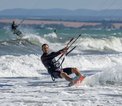

With the right layers and a few smart habits, the shoulder seasons can offer some of the best and least crowded sessions of the year.
A practical guide to building a first quiver that grows with you instead of holding you back.
Early birds and evening chasers get different winds, different crowds, and different rewards—here's how to choose your slot.
Light wind doesn't have to mean a wasted day—here's how to keep progressing when the breeze won't cooperate.
Thunderstorms, fronts, and squalls create both hazards and opportunities—here's how to read the sky and stay safe.