


Choosing Your First Quiver: Gear Advice for New Windsurfers and Kiters
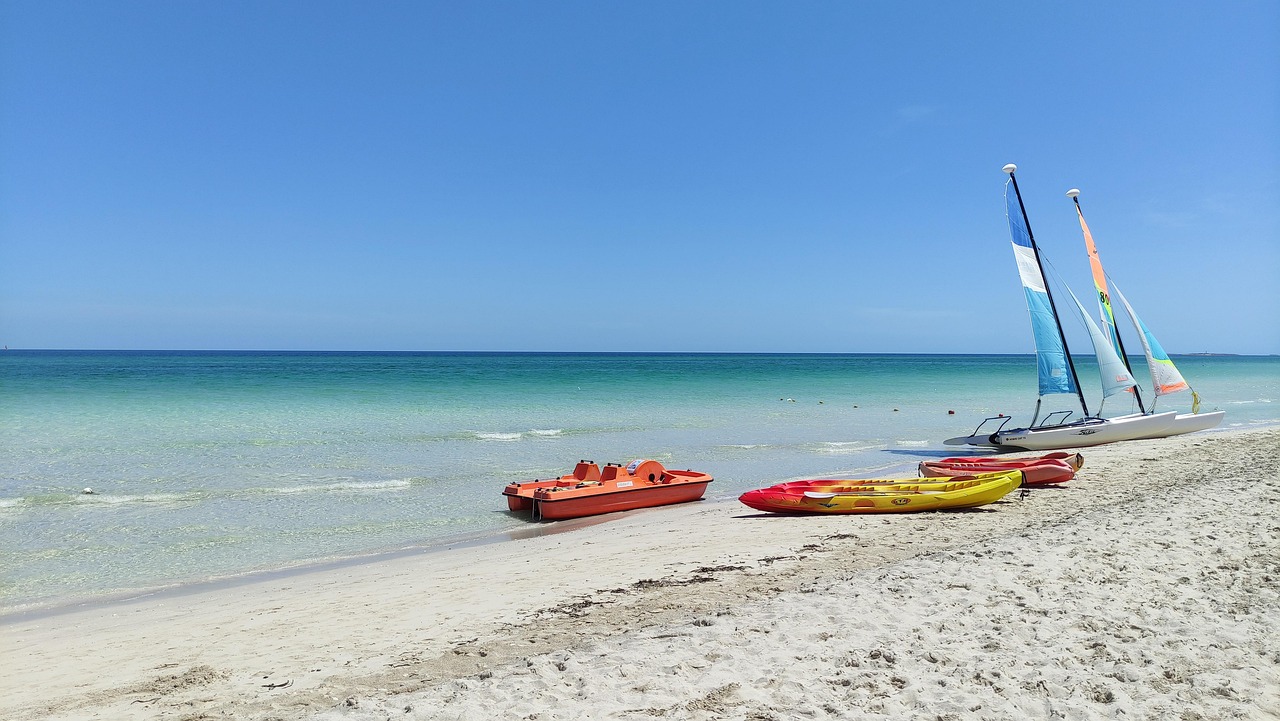
One of the biggest mistakes new wind sport athletes make is buying gear that is either too advanced or too limited. A first quiver should do two things at once: make learning manageable and leave room to grow. Get it right and you will progress faster and spend less money over the long run. Get it wrong and you will either fight your equipment every session or outgrow it within a few months and have to start over. Here is a practical way to think about your first setup, whether you are leaning toward windsurfing or kiteboarding.
The single most important principle is to match the gear to your current level, not to the level you hope to reach. It is tempting to buy the fast, high-performance board or the aggressive kite that the experienced riders use. Resist that temptation. Advanced gear is unforgiving, and it will make your early sessions frustrating and even dangerous. Beginner-friendly equipment is designed to be stable, forgiving, and easy to handle, which means you spend your time actually riding instead of swimming and cursing.
Windsurfing: Volume, Volume, Volume
For windsurfing, board volume is your best friend in the early days. A larger, wider board with plenty of volume gives you stability, helps you uphaul and get going in lighter wind, and makes the whole learning process less exhausting. Look for a board in the beginner or freeride category rather than a wave or slalom board. A single versatile board that handles a range of conditions will serve you better than a specialist board you cannot yet use. For sails, a smaller quiver of two or three sizes covering the wind range at your local spot is plenty. A soft, durable sail in the four to six square metre range is a good starting point for most adults, and you can add sizes as your skills and the seasons demand.
Do not overlook the rigging components. A good mast, boom, and base that match your sail make the whole system work properly. Cheap, mismatched components can make even a good sail feel terrible. When in doubt, buy a complete package from a reputable brand that is designed to work together. And consider buying used gear from a trusted shop or club, because beginner gear depreciates quickly and you can often get excellent value on equipment that is only a season or two old.
Kiteboarding: The Right Kite Changes Everything
For kiteboarding, the kite and the board both matter, but the kite is the bigger decision. A modern all-round or freeride kite is the best first choice for most people. It should be stable, easy to relaunch, and forgiving of the mistakes you will inevitably make. Avoid high-aspect race kites and aggressive freestyle models until you have solid control. Size depends on your weight and the typical wind at your spot, but a single mid-range kite that covers your most common conditions is the right way to start. You can add a second size later.
The board should be a larger, flatter twin tip with a bit of rocker, which makes it easier to get up on and ride through chop. Do not buy a small, aggressive board as your first. Also budget for a proper harness, a good quality bar and lines, and a helmet. Safety gear is not optional in this sport. Take lessons from a certified instructor before you buy anything, because they will help you understand what suits your local conditions and your body type. Buy gear that makes learning easier, and you will be riding confidently and looking at your next upgrade before you know it.



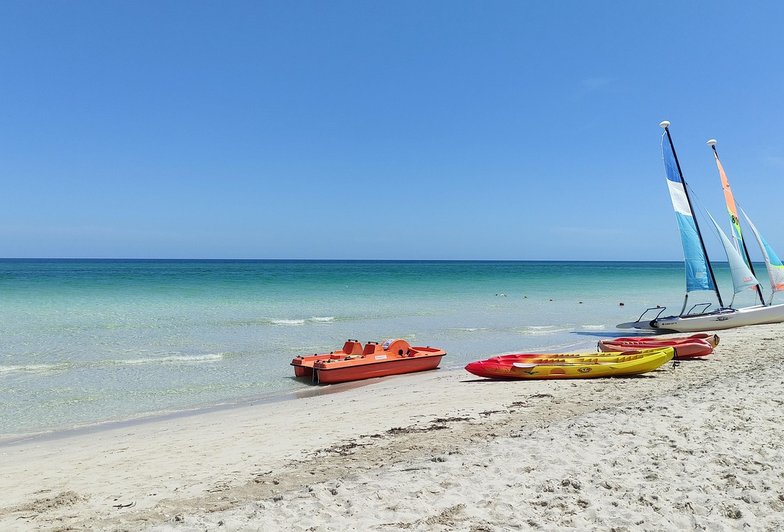
A practical guide to building a first quiver that grows with you instead of holding you back.
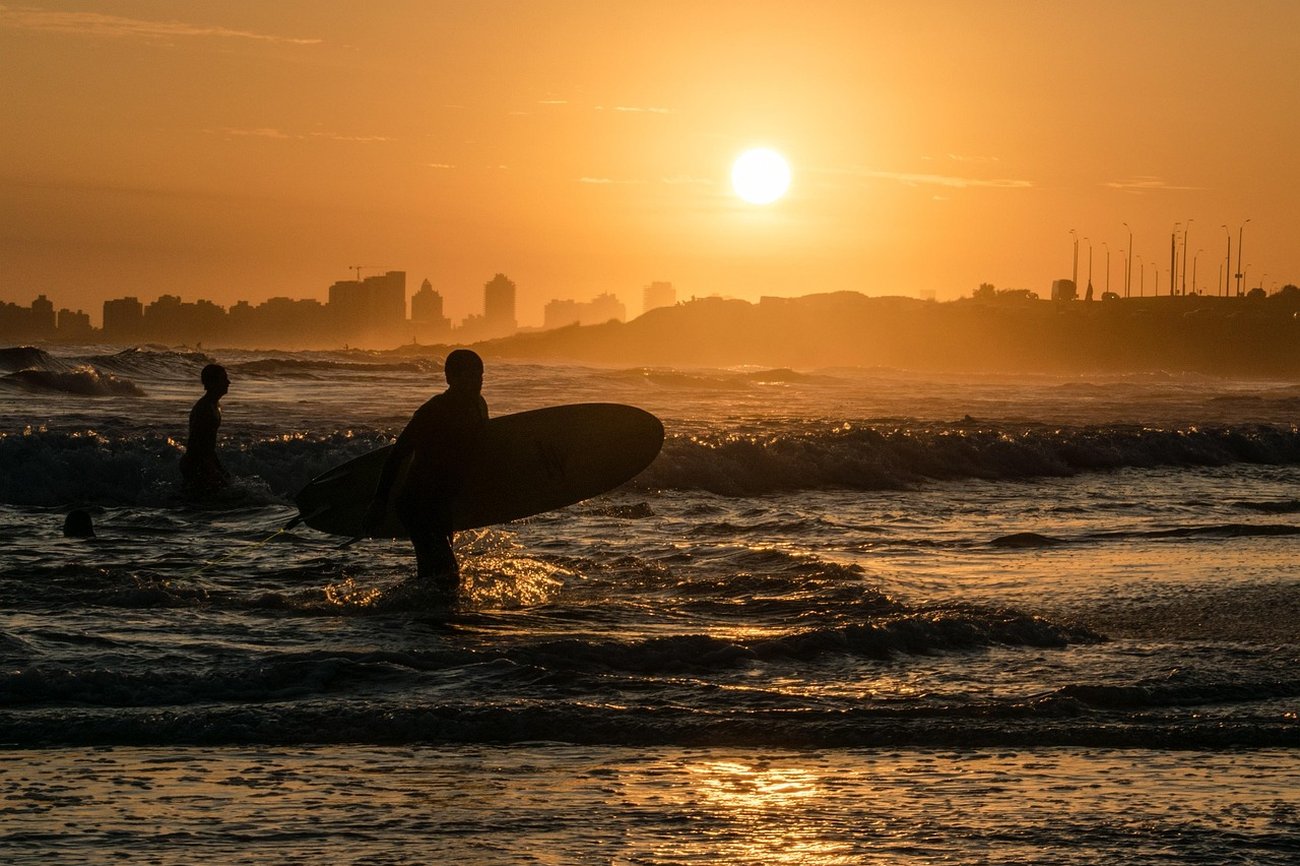
Early birds and evening chasers get different winds, different crowds, and different rewards—here's how to choose your slot.
Light wind doesn't have to mean a wasted day—here's how to keep progressing when the breeze won't cooperate.
Thunderstorms, fronts, and squalls create both hazards and opportunities—here's how to read the sky and stay safe.
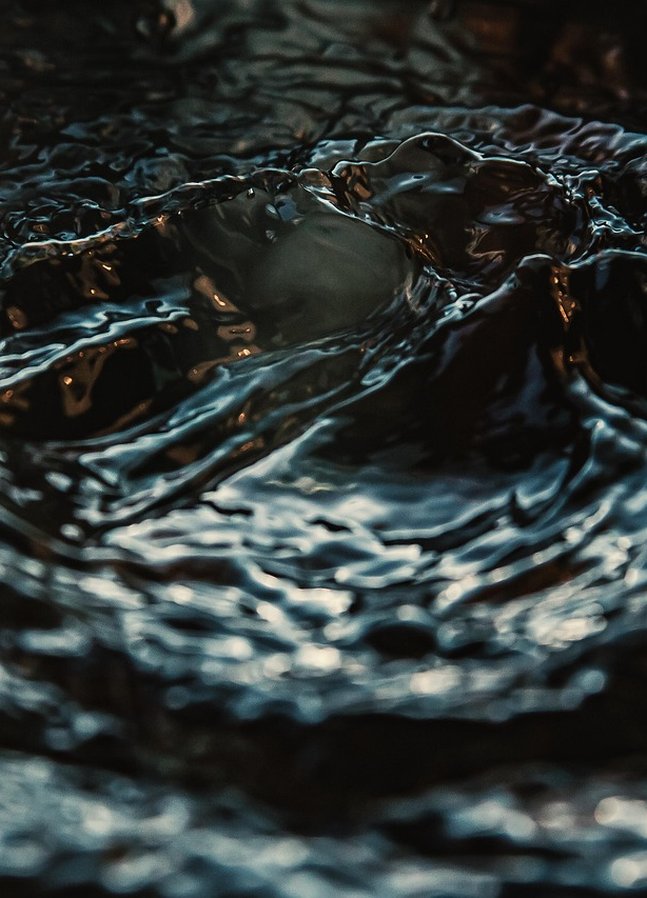
The surface of the water is a constantly updating forecast—here's how to interpret what you're seeing.